Not every red, painful eye is conjunctivitis. Uveitis — inflammation of the uvea, the middle layer of the eye made up of the iris, ciliary body, and choroid — can look similar at first glance but needs a different kind of attention. Delaying uveitis treatment carries real risk to your vision.
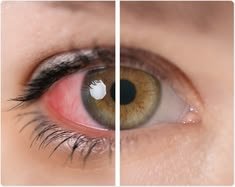
Is This Just a Red Eye, or Something More?
A painful, red, or light-sensitive eye can mean several different things, and they are treated quite differently. If your symptoms match uveitis, don't wait — untreated uveitis can progress and cause lasting damage inside the eye within days.
| Possible Cause | A Distinguishing Clue | Where to Go |
|---|---|---|
| Common conjunctivitis ("pink eye") | Watery or sticky discharge, mild irritation, often both eyes | General eye check-up |
| Dry eye | Gritty and chronic, tends to improve briefly with blinking | Dry Eye Clinic |
| Corneal infection or ulcer | Sharp pain, often in contact lens wearers, strong light sensitivity | Cornea, same-day evaluation |
| Acute angle-closure glaucoma | Severe pain, halos around lights, nausea, a firm-feeling eye | Glaucoma, same-day emergency |
| Uveitis (iritis) | Deep, aching pain, significant light sensitivity, and blurred vision, usually one eye | Same-day evaluation |
How Uveitis Is Treated
Treatment goals focus on reducing inflammation, relieving pain, preventing further tissue damage, and preserving visual acuity.
Corticosteroid Drops & Injections
Corticosteroid eye drops are typically the first step for anterior uveitis, reducing inflammation directly at the site. More significant or posterior involvement may require steroid injections around or inside the eye, or a course of oral steroids.
Immunomodulatory Therapy
Chronic or frequently recurring uveitis — especially where an underlying autoimmune cause is identified — may require long-term immunomodulatory or immunosuppressive medications managed alongside a specialist.
Frequently Asked Questions
Yes, acute uveitis requires prompt medical evaluation. Leaving intraocular inflammation untreated can lead to serious complications such as glaucoma, cataracts, or permanent vision loss.
While conjunctivitis affects the outer lining of the eye and usually causes discharge and surface irritation, uveitis involves deep internal inflammation causing aching pain, severe sensitivity to light, and blurred vision.
Yes, uveitis can be recurrent or chronic, particularly if associated with an underlying autoimmune condition. Regular check-ups help detect and control recurrences early.
Because uveitis is frequently linked to systemic autoimmune diseases or hidden infections, additional diagnostic tests help identify and manage any root systemic cause.
Book Consultation
Quick & Easy Appointment Request