Sometimes the eye isn't the problem — it's the messenger. Neuro-ophthalmology sits at the overlap between eye care and the nervous system, dealing with vision problems that trace back to the optic nerve, the nerves controlling eye movement, or the brain itself. Neuro-ophthalmology in Dibrugarh at Drishti Netralaya exists for exactly this overlap: symptoms that look like an eye problem on the surface but need a broader evaluation to understand properly.
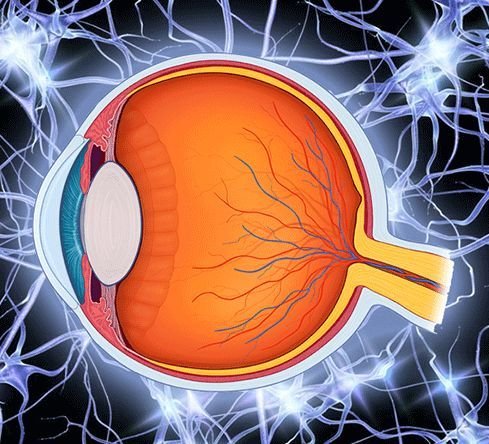
When Your Eyes Are Telling You About Something Else
A few specific patterns are worth recognising, because they're the kind of symptoms that shouldn't simply be watched and waited on:
What a Neuro-Ophthalmology Evaluation Involves
- Detailed visual field testing and optic nerve mapping
- Assessment of pupillary light responses and ocular motility
- Coordinated care alongside neurologists and neurosurgeons
- Advanced neuro-imaging referrals (MRI/CT scans) when required
- Initial evaluation available at Dhemaji and Machkhowa centres
- Comprehensive diagnostic workup at main Dibrugarh hospital
Conditions Neuro-Ophthalmology Covers
At Drishti Netralaya, neuro-ophthalmic disorders are carefully evaluated to pinpoint whether the root cause lies within the optic nerve, brain pathways, or systemic health issues.
Frequently Asked Questions
Not quite — it specifically deals with vision problems connected to the nervous system, rather than conditions confined to the eye itself, and often involves working alongside a neurologist.
Occasionally, if it's linked to something temporary like fatigue or a minor, resolving nerve irritation, but sudden double vision that appears out of nowhere should be evaluated rather than assumed to be temporary.
It's always worth investigating properly, since it reflects raised pressure inside the skull — the underlying cause varies in seriousness, but papilledema itself isn't something to leave unexamined.
Often, yes — many neuro-ophthalmology conditions are genuinely shared territory between the two specialties, and coordinated care is standard rather than a sign of an unusual case.
Yes, though less commonly than adults — conditions like nystagmus or certain cranial nerve issues can present in childhood and need the same kind of evaluation.
Yes — an initial assessment is typically available at both centres, with fuller evaluation and specialist coordination based at the Dibrugarh hospital.
Book Consultation
Quick & Easy Appointment Request