Squint & Paediatric Eye Care in Dibrugarh
Squint, medically called strabismus, is when a child's eyes don't line up and point in the same direction — one eye may drift inward, outward, upward or downward while the other looks straight ahead. Squint and paediatric eye care at Drishti Netralaya is led by Dr. Suvarna Balankhe, trained at the Johns Hopkins Eye Institute in the USA, and covers squint, amblyopia (lazy eye) and a broader range of paediatric vision conditions through vision therapy, prism glasses and, where needed, strabismus surgery.
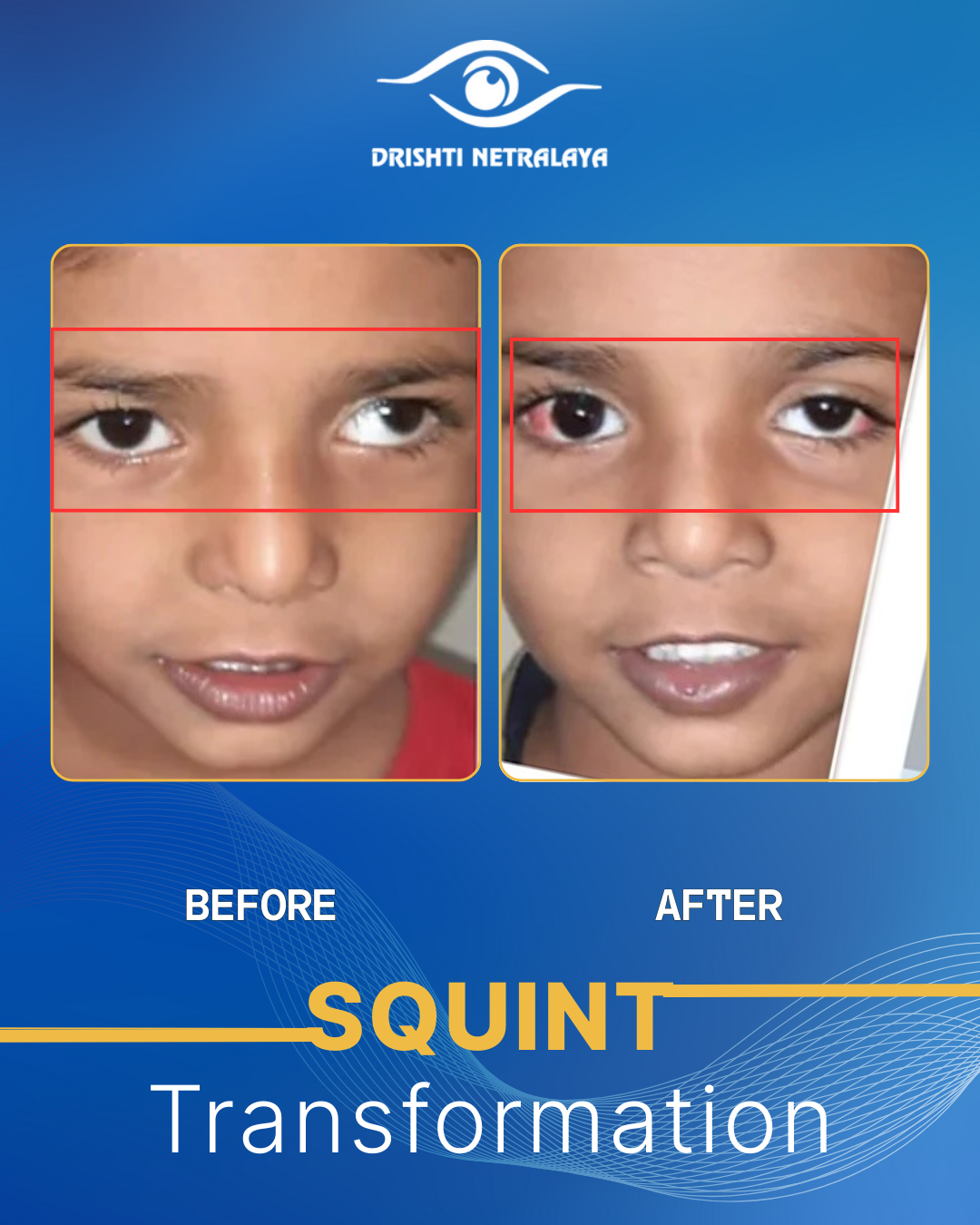
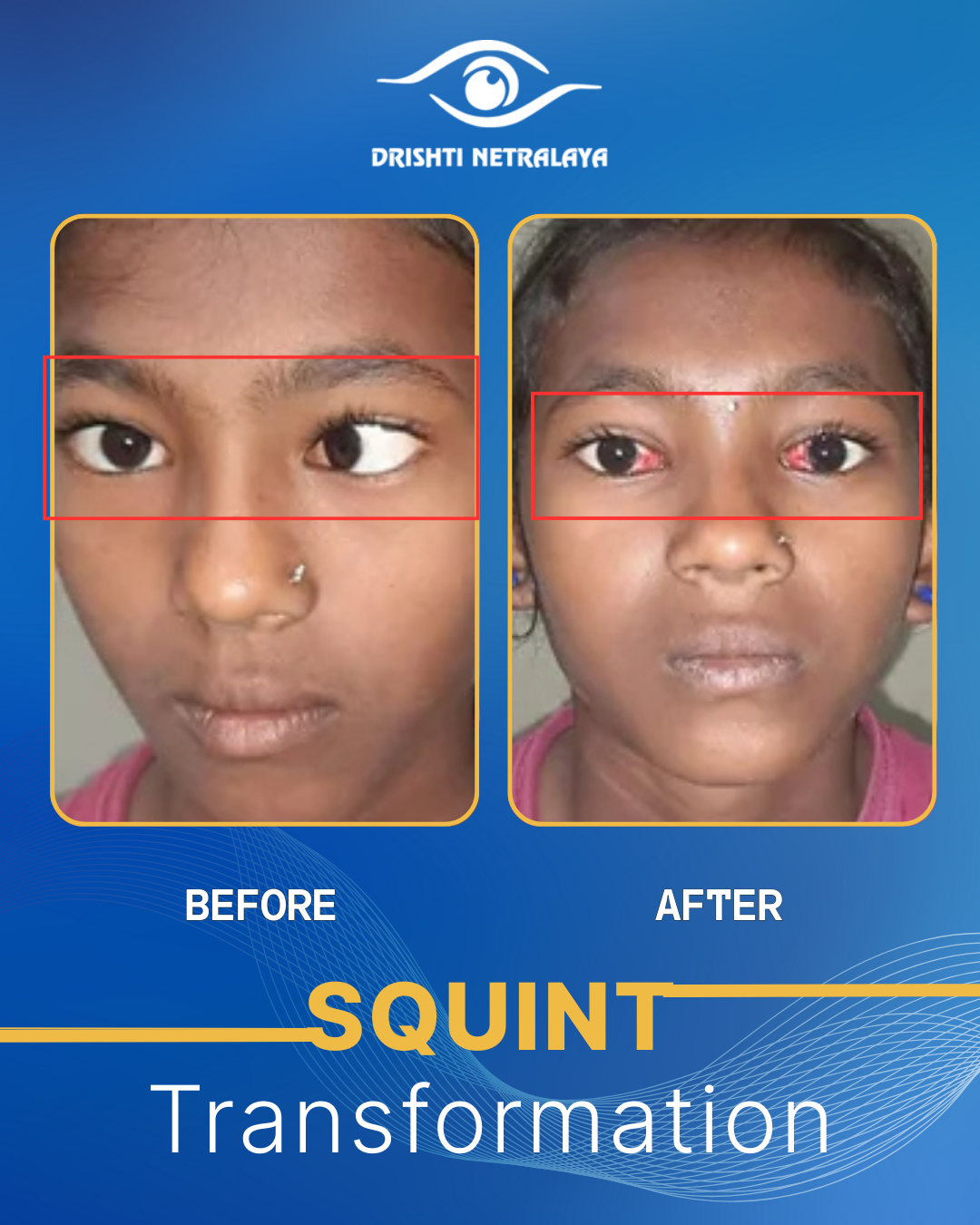
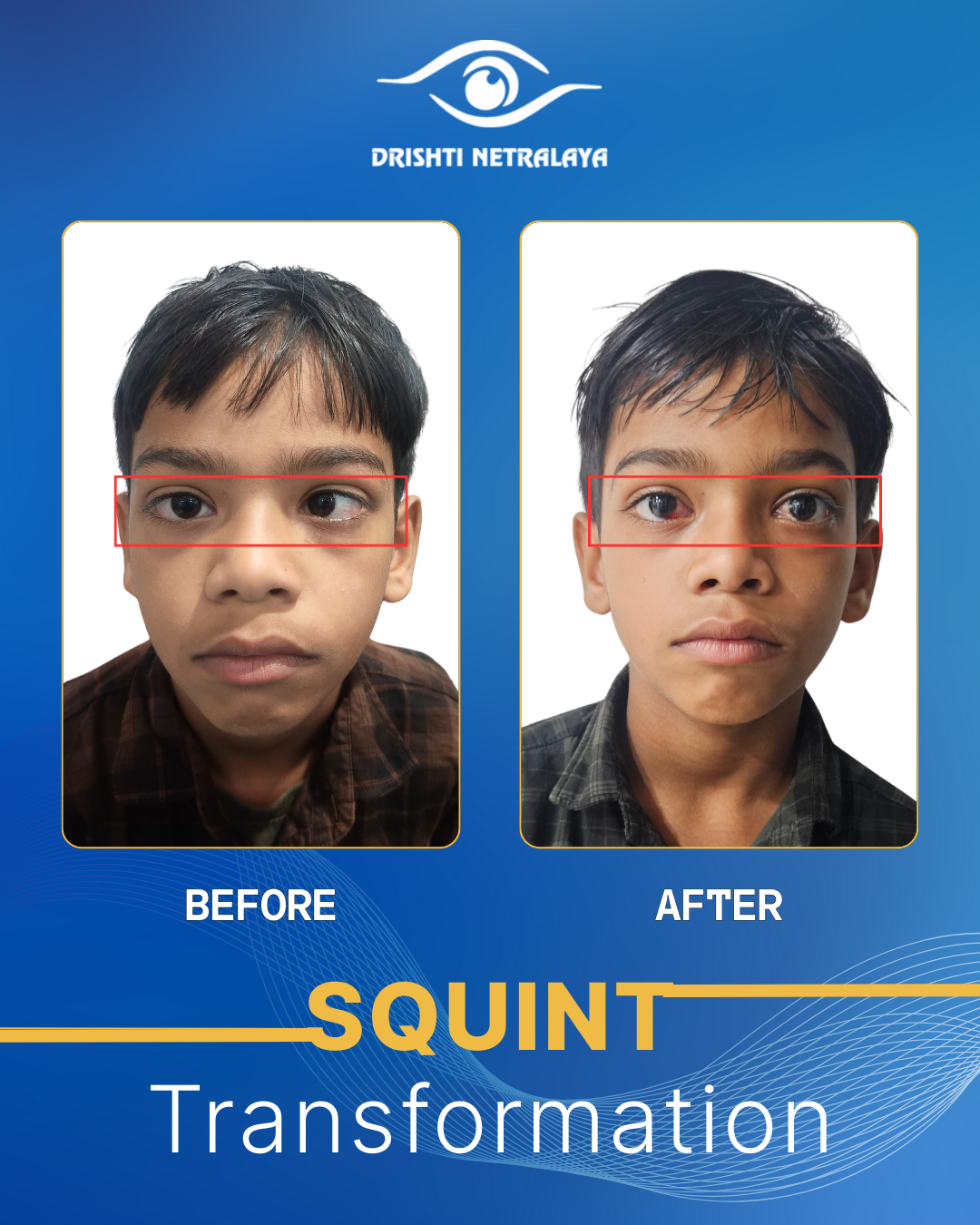
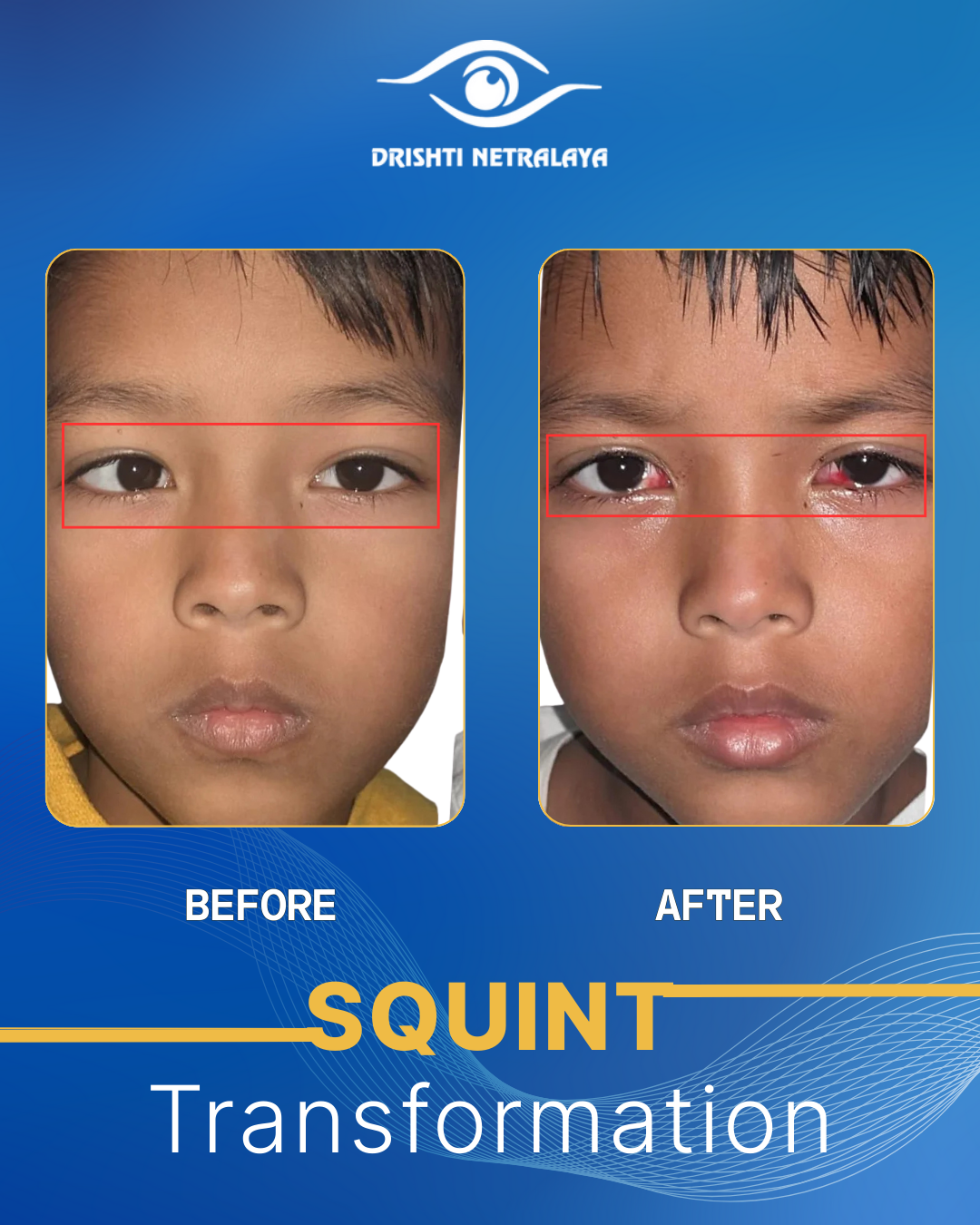
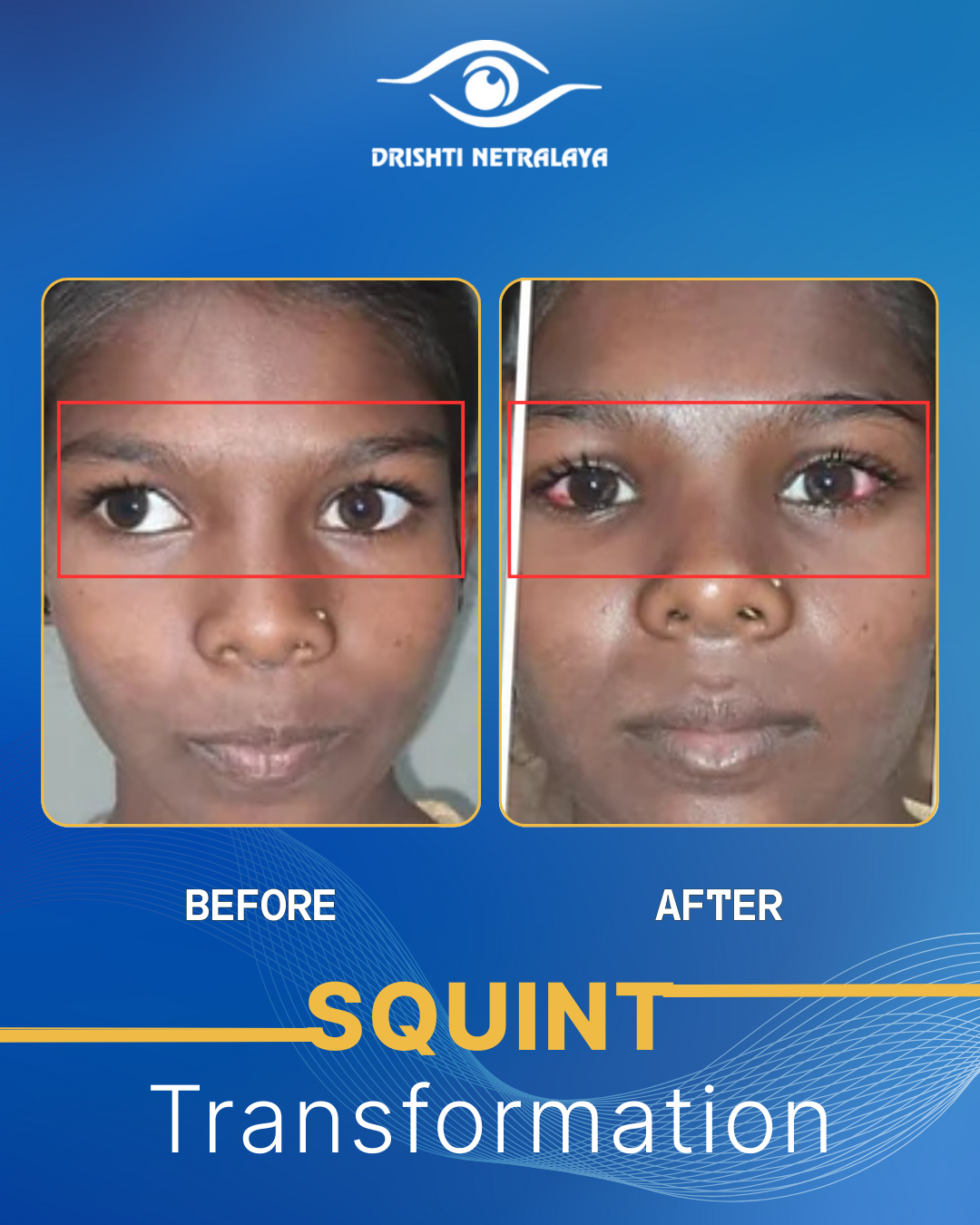
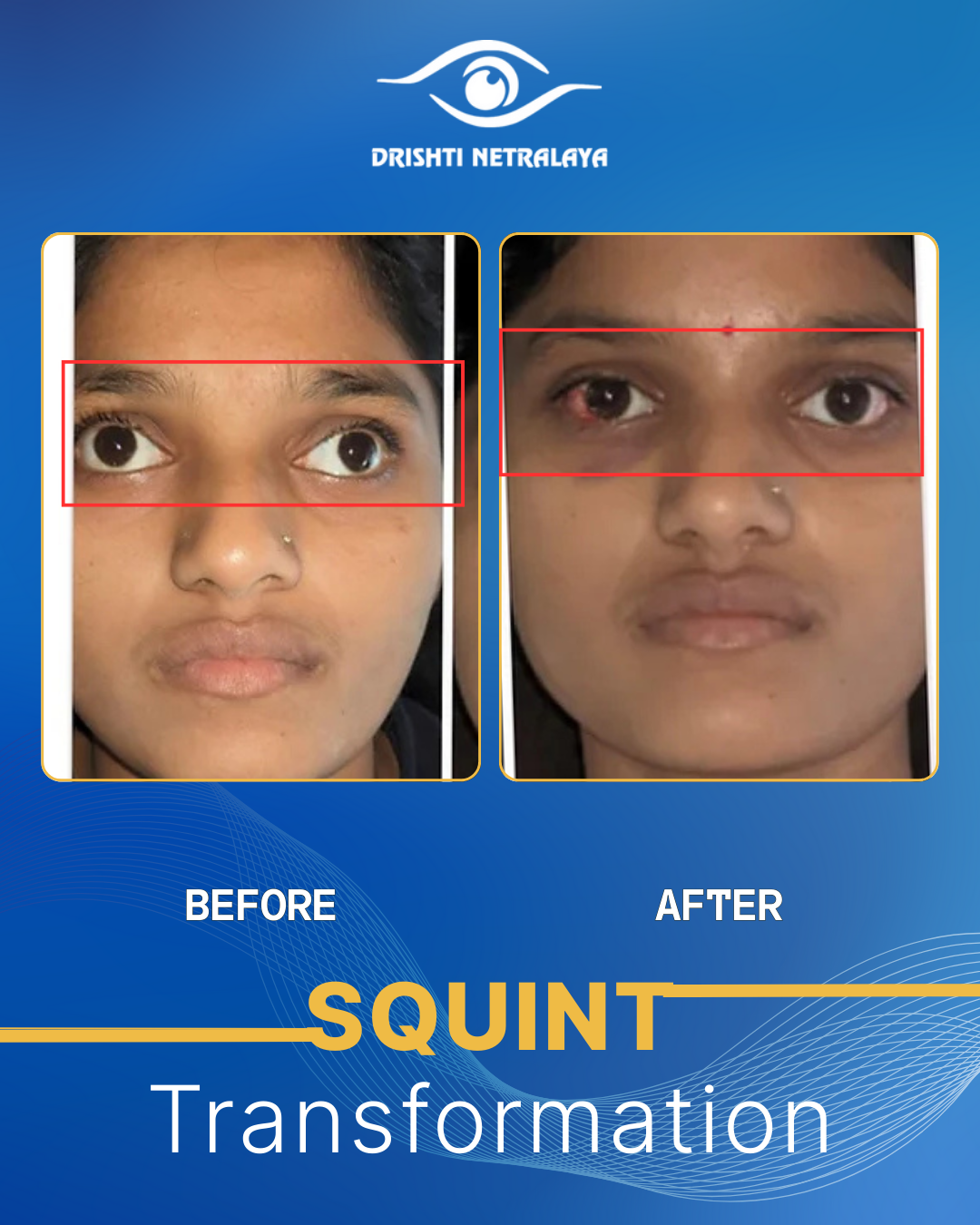
Early assessment of squint and other paediatric eye conditions is important because untreated vision problems can affect the way a child's visual system develops. At Drishti Netralaya, children receive age-appropriate eye evaluation and a personalised treatment plan, helping address eye alignment, lazy eye, and other childhood vision concerns at the right stage of development.
Types of Squint
Squint (Strabismus) can manifest in different directions. The type of squint is defined by which way the affected eye turns relative to the straight eye.
| Type of Squint | Which Way the Eye Turns |
|---|---|
| Esotropia | Inward Sometimes described as "crossed eyes". |
| Exotropia | Outward Sometimes described as "wall-eyed". |
| Hypertropia | Upward |
| Hypotropia | Downward |
What to Expect: Squint & Paediatric Eye Care
- Consultation and detailed eye examination to assess vision, eye alignment, eye movements, and the overall health of the eyes
- Vision assessment in children to identify refractive errors, lazy eye (amblyopia), squint, or other vision-development problems
- Squint evaluation: Assessment of the direction and degree of eye misalignment to understand the underlying cause and appropriate treatment options
- Treatment may include prescription glasses, amblyopia therapy, eye exercises or patching when appropriate, depending on the child's age and individual eye condition
- Regular follow-up visits to monitor visual development, eye alignment, treatment response, and changes in the child's vision
Who Should Consider Paediatric Eye & Squint Evaluation
Children should have an eye evaluation if they have crossed or wandering eyes, frequent eye rubbing, difficulty seeing clearly, headaches, difficulty reading, abnormal head positioning, or problems focusing. A comprehensive assessment is also important if one eye appears to see better than the other, as early detection of lazy eye and refractive errors can help support normal visual development.
Why Choose Drishti Netralaya for Squint & Paediatric Eye Care
Drishti Netralaya provides comprehensive eye care for children, with a focus on early detection, accurate diagnosis, and appropriate treatment of squint, lazy eye, refractive errors, and other paediatric vision problems.
Book Consultation
Quick & Easy Appointment Request