Your glasses prescription and a contact lens prescription aren't the same thing — a lens sitting directly on the surface of your eye needs its own measurements, including the exact curve of your cornea, which a glasses exam doesn't capture. The Contact Lens Clinic at Drishti Netralaya exists for that reason: proper fitting, the right lens type for your eyes, and follow-up care that keeps wearing lenses safe over the long run, not just comfortable on day one.
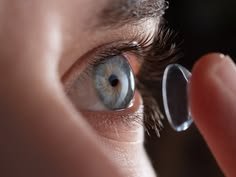
Types of Contact Lenses
Which lens is right for you depends on your prescription, your cornea's shape, and how you actually plan to wear them day to day:
| Lens Type | Best For | Worth Knowing |
|---|---|---|
| Soft daily disposables | Occasional wear, sensitive eyes, convenience | A fresh pair every day, generally the lowest infection risk of any lens type. |
| Soft monthly or fortnightly lenses | Regular, full-time wear | Needs a proper cleaning and storage routine to stay safe. |
| Toric lenses | Astigmatism | Designed to stay correctly oriented on the eye rather than rotating. |
| Multifocal lenses | Presbyopia (usually 40+, needing help with both distance and near vision) | An alternative to reading glasses or a monovision approach. |
| RGP / scleral lenses | Irregular corneas, keratoconus, or eyes recovering from corneal surgery | Often fitted in coordination with our Cornea team. |
| Myopia control lenses | Children with progressing short-sightedness | Covered in more detail on our Pediatric Eye Care page. |
Getting Fitted: What Actually Happens
A contact lens fitting starts with your regular eye exam, then goes further — measuring the curvature of your cornea and the size of your pupil, checking your tear film, and going through your lifestyle and how often you'd realistically wear lenses.
From there, trial lenses are usually given so you can assess comfort and vision over a few days before committing to a full prescription, rather than being handed a box and sent home untested. A follow-up check shortly after confirms the fit is genuinely working for your eyes, not just close enough.
Contact Lens Services Across Our Centres
Initial fittings and routine contact lens check-ups can typically be arranged across our regional network, with specialized cases coordinated at our main center:
Essential Safety & Care Guidelines
To lower the risk of serious corneal infections, follow these essential habits recommended by eye care professionals:
Frequently Asked Questions
No — contact lenses need their own fitting and prescription, since they sit directly on your eye and require measurements a glasses exam doesn't include, like your corneal curvature.
Yes, generally — toric lenses are specifically designed to correct astigmatism and stay properly oriented on the eye, rather than rotating out of position.
Often, yes, particularly with daily disposables, but it depends more on whether they can reliably follow hygiene habits than on age alone — that's worth discussing honestly at the fitting.
Remove the lenses immediately and get it looked at — don't wait to see if it settles on its own, since contact-lens-related infections can progress quickly. Our Cornea page covers this in more detail.
It depends on the lens type — daily disposables are replaced every day, while monthly lenses follow their own schedule. Wearing lenses past their intended replacement schedule is one of the more common, avoidable risk factors for eye infection.
Yes — initial fittings and routine check-ups are typically available at both centres, with more specialised lens fittings coordinated through the Dibrugarh hospital.
Book a Contact Lens Fitting
Whether you're switching from glasses for the first time, dealing with astigmatism, or due for a check-up, it starts with a proper fitting.
Call or WhatsApp +91 6901274500Book Consultation
Quick & Easy Appointment Request