Best Cataract Surgery in Dibrugarh – Advanced, Safe & Affordable Eye Care
Cataract surgery is a highly effective procedure to restore clear vision by removing the cloudy lens of the eye. At Drishti Netralaya, we provide advanced cataract surgery in Dibrugarh using the latest techniques like phacoemulsification and premium intraocular lenses (IOLs).
Our experienced eye surgeons ensure painless treatment, quick recovery, and excellent visual outcomes. If you are experiencing blurred vision, glare, or difficulty in daily activities, cataract surgery can help you regain clear eyesight and improve your quality of life.
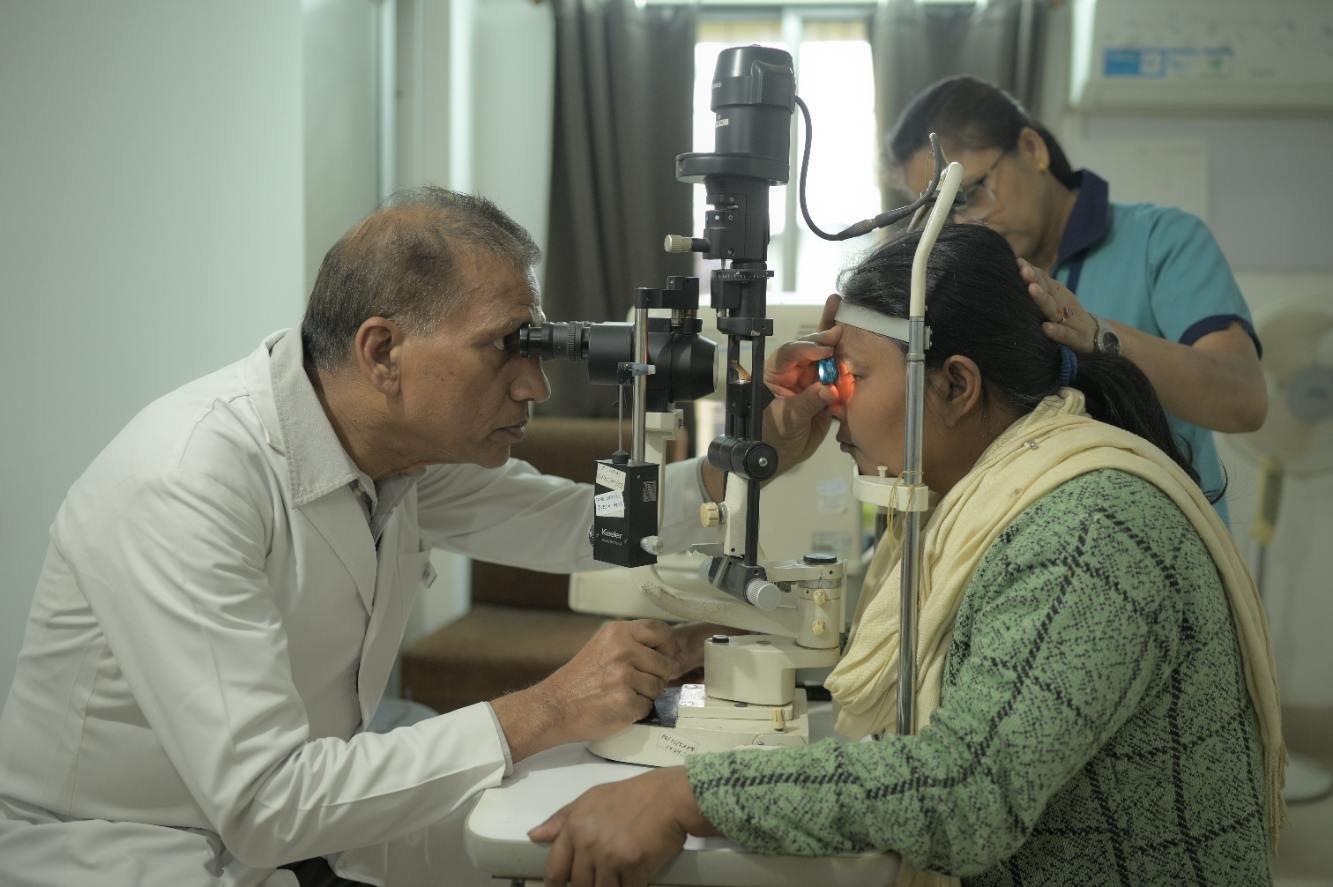
What is Cataract Surgery?
Cataract Surgery Process
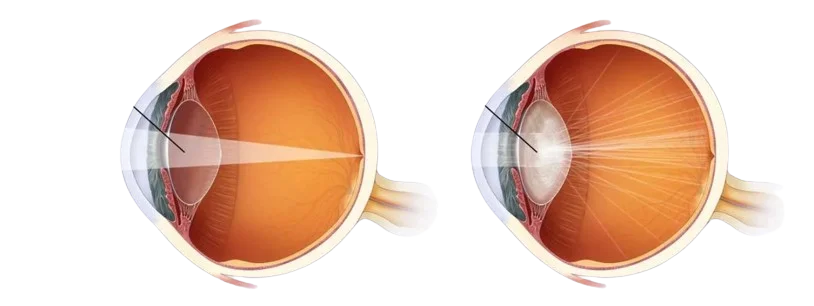
Cataract surgery replaces the eye's cloudy lens, affected by cataracts, with a clear intraocular lens (IOL). As cataracts develop, proteins in the natural lens clump together, causing cloudiness and reducing the amount of light entering the eye. This leads to blurred, dull, or distorted vision. Through a modern surgical technique, the clouded lens is removed and replaced with a transparent IOL that restores visual clarity.
Your visual outcome—near, mid-range, or distance—depends on the type of IOL selected. Many patients achieve freedom from glasses after the procedure.
The surgery is highly safe, minimally invasive, and takes only a few minutes to perform.
YOU MUST KNOW
Cataracts CAN'T be prevented, but CAN be surgically removed and treated.
DID YOU KNOW?
Cataract surgery at drishti netralaya is painfree and safe.
Vision Simulation with Different Lenses
Experience how your vision improves after cataract surgery at Drishti Netralaya.

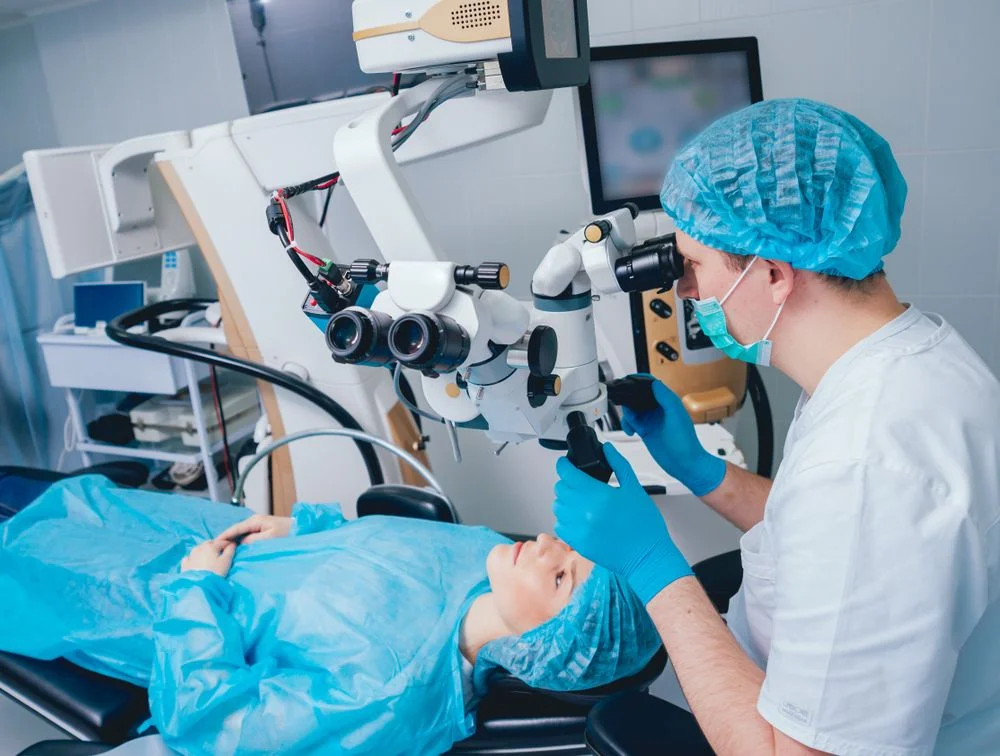
About PHACO (Phacoemulsification) Technique
Phacoemulsification is the most advanced sutureless cataract procedure. It uses ultrasonic vibrations to gently break down the cloudy natural lens into liquid fragments, which are then softly aspirated out through a micro-incision (2.2 mm to 2.8 mm).
- Key Benefits: Sutureless, painless, stitchless procedure with rapid visual recovery.
- Procedure Time: Only 10 to 15 minutes under topical anesthesia.
- Best For: Patients looking for quick return to daily work and minimal post-op restrictions.
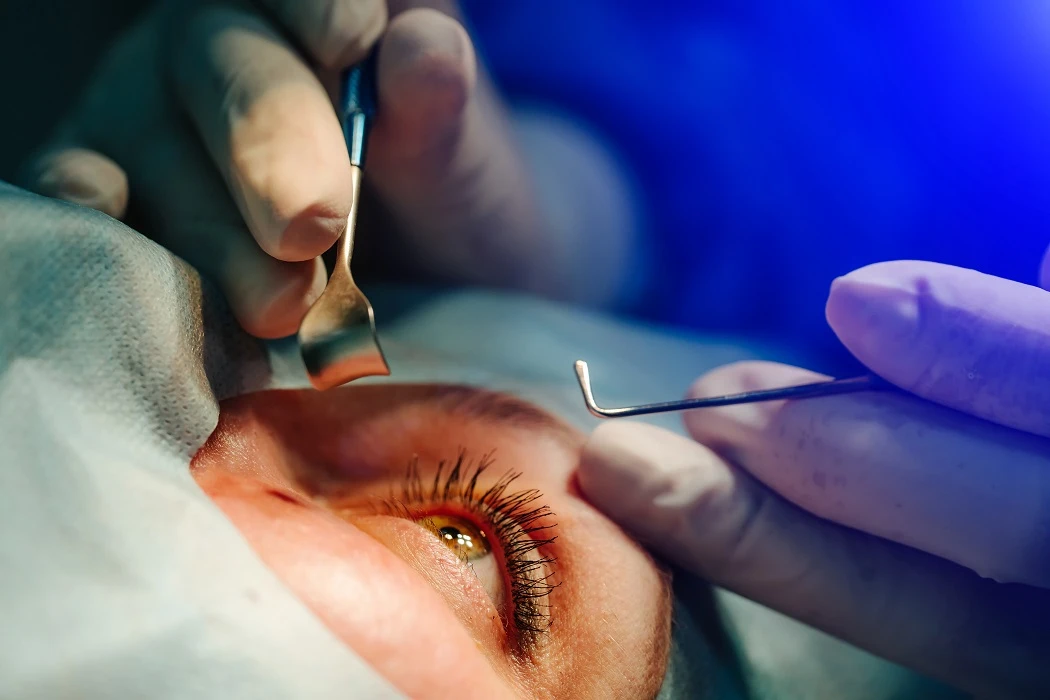
About SICS (Small Incision Cataract Surgery)
Manual Small Incision Cataract Surgery (MSICS) is a highly reliable surgical technique where the cataract lens is extracted whole through a self-sealing tunnel incision. It does not require external sutures and is extremely cost-effective.
- Key Benefits: Economical, effective for advanced or dense mature cataracts.
- Healing: Self-healing incision that ensures high safety without requiring stitches.
- Best For: Advanced hard cataracts where ultrasound energy needs to be minimized.
Your Cataract Care Journey
Experience precision visual recovery and compassionate care with our step-by-step surgical treatment plan at Drishti.
COMPREHENSIVE EYE EVALUATION
A detailed examination including visual acuity testing, biometry (to calculate your precise IOL power), and an assessment of your overall eye health.
PERSONALISED SURGICAL PLANNING
Your surgeon discusses the most suitable technique and lens option for your specific visual needs, expectations, and daily lifestyle.
DAY-CARE SURGERY
Most cataract procedures at Drishti are completed within 15–20 minutes per eye under local anaesthesia, with same-day discharge.
RECOVERY & FOLLOW-UP
Most patients notice improved vision within 24–48 hours, with full stabilization over 2–4 weeks; follow-up visits are scheduled at 1 day, 1 week, and 1 month.
Early evaluation ensures better surgical outcomes. Contact Drishti today to discuss your lens options and schedule your comprehensive consultation.
Common Symptoms of Cataract
A cataract develops slowly, so most people notice their vision changing in small ways long before it's diagnosed. Watch out for these early warning signs — they're the most common reasons patients across Dibrugarh and Upper Assam visit Drishti Netralaya for a cataract check-up:
Blurred, cloudy, or hazy vision that doesn't improve even with a change in glasses
Colours looking faded, dull, or slightly yellowish compared to before
Increased sensitivity to sunlight, or glare from oncoming headlights while driving at night
Halos or rings appearing around lamps, bulbs, and vehicle lights
Frequent changes in your spectacle power within a short span
Difficulty reading, stitching, or doing close-up work even in good light
Double vision or a “ghosting” effect in one eye
Trouble seeing clearly at night or adjusting between light and dark rooms
If a few of these sound familiar, it's worth getting your eyes examined. Cataracts don't need to be treated the moment they appear, but an early check gives you and your doctor time to plan the right cataract surgery, on your schedule, before daily tasks like driving or reading start feeling difficult.
Which Lens Is Right for You?
Choosing an intraocular lens (IOL) isn't just a medical decision — it's about what your daily life and work actually demand from your eyes. Here's a simple guide to help you understand your cataract lens options before your consultation at Drishti Netralaya.
(Your final choice will always be confirmed with our specialists after a full eye examination — this table is a starting point, not a prescription.)
| Lens Type | In Simple Terms | Might Suit You If Your Day... | Keep in Mind |
|---|---|---|---|
| Monofocal | Clear, sharp distance vision — but you'll wear reading glasses for anything up close | Driving, outdoor work, watching TV, or teaching from a distance/whiteboard — and you're comfortable putting on glasses for reading or close work | You'll need glasses for reading, cooking, or any detailed near work |
| Multifocal | Usable vision at far, medium, and near distances — most patients rarely reach for glasses at all | A mix of tasks through the day — a lawyer reading files, a teacher checking papers and the whiteboard, a homemaker cooking, reading, and managing household paperwork | Occasional glare or halos while driving at night; takes a short while for your brain to adjust |
| Toric | Fixes blurry or distorted vision caused by an irregularly curved cornea (astigmatism/cylindrical power), giving sharp distance vision | Driving, security or field work, or any profession where clear distance vision matters most, and you're fine using reading glasses for near tasks | Still need reading glasses for near work; requires precise measurements before surgery |
| EDOF (Extended Depth of Focus) |
Smooth, continuous vision from far to arm's-length, with fewer night-glare issues than multifocal lenses | Pilots and armed forces, where precision vision at multiple distances matters, IT professionals and accountants working on laptops all day, doctors, or anyone who enjoys driving and wants sharp night vision with minimal halos | Very fine close-up work — sewing, knitting, detailed handwork, or reading very small print — may still need reading glasses |
| ICL (Implantable Collamer Lens) |
Corrects very high spectacle numbers (severe myopia/hyperopia) without removing your natural lens | Younger patients with very high refractive error who don't yet have a cataract and were found unsuitable for LASIK | Not a cataract-surgery lens — only relevant if your natural lens is still clear; involves an additional procedure and follow-up monitoring |
In Simple Terms: Clear, sharp distance vision — but you'll wear reading glasses for anything up close
Might Suit You If Your Day: Driving, outdoor work, watching TV, or teaching from a distance/whiteboard — and you're comfortable putting on glasses for reading or close work
Keep in Mind: You'll need glasses for reading, cooking, or any detailed near work
In Simple Terms: Usable vision at far, medium, and near distances — most patients rarely reach for glasses at all
Might Suit You If Your Day: A mix of tasks through the day — a lawyer reading files, a teacher checking papers and the whiteboard, a homemaker cooking, reading, and managing household paperwork
Keep in Mind: Occasional glare or halos while driving at night; takes a short while for your brain to adjust
In Simple Terms: Fixes blurry or distorted vision caused by an irregularly curved cornea (astigmatism/cylindrical power), giving sharp distance vision
Might Suit You If Your Day: Driving, security or field work, or any profession where clear distance vision matters most, and you're fine using reading glasses for near tasks
Keep in Mind: Still need reading glasses for near work; requires precise measurements before surgery
In Simple Terms: Smooth, continuous vision from far to arm's-length, with fewer night-glare issues than multifocal lenses
Might Suit You If Your Day: Pilots and armed forces, where precision vision at multiple distances matters, IT professionals and accountants working on laptops all day, doctors, or anyone who enjoys driving and wants sharp night vision with minimal halos
Keep in Mind: Very fine close-up work — sewing, knitting, detailed handwork, or reading very small print — may still need reading glasses
In Simple Terms: Corrects very high spectacle numbers (severe myopia/hyperopia) without removing your natural lens
Might Suit You If Your Day: Younger patients with very high refractive error who don't yet have a cataract and were found unsuitable for LASIK
Keep in Mind: Not a cataract-surgery lens — only relevant if your natural lens is still clear; involves an additional procedure and follow-up monitoring
Cost of Cataract Surgery at Drishti Netralaya
There's no single, fixed price for cataract surgery in Dibrugarh — and that's exactly the point. The right cost for you depends on the surgical technique your eye needs and the type of intraocular lens (IOL) you choose to replace your clouded natural lens.
At Drishti Netralaya, our cataract packages range from Rs 7,500 to Rs 1,20,000, covering everything from standard monofocal IOL surgery to premium multifocal and toric lens options — so quality cataract care stays within reach whatever your budget.
Surgical Techniques
The technique matters too. Manual Small Incision Cataract Surgery (SICS) is a proven, economical option, especially well suited to dense or advanced cataracts. Phacoemulsification, our more advanced sutureless technique, costs a little more but offers faster visual recovery and fewer post-operative restrictions.
Lens Selection Impact
On top of that, the lens you choose — a standard monofocal lens for clear distance vision, or a multifocal, toric, or EDOF lens that can reduce your dependence on glasses — shapes the final number.
What We Won't Do Is Surprise You With The Bill
Every patient who comes in for a cataract consultation at our Amolapatty centre leaves with a clear, itemised cost breakdown before any surgery is scheduled — covering the procedure, the lens, and the pre- and post-operative care that comes with it.
We also help patients understand their insurance and cashless options, so there are no hidden charges and no last-minute add-ons — just an honest conversation to help you choose what's right for your eyes and your budget.
Cataract Surgery Procedure – Step by Step
Quick, safe and advanced eye treatment process
Local Anesthesia
Eye is numbed using local anesthesia to ensure painless treatment.
Small Incision
A tiny incision is made for precise and safe lens removal.
Lens Removal
Cloudy lens is removed using advanced phaco technology.
IOL Implant
Artificial intraocular lens (IOL) is implanted for clear vision.
No Stitches
No stitches required in most cases ensuring quick recovery.
15–20 Minutes
The entire cataract surgery is completed within 15–20 minutes.


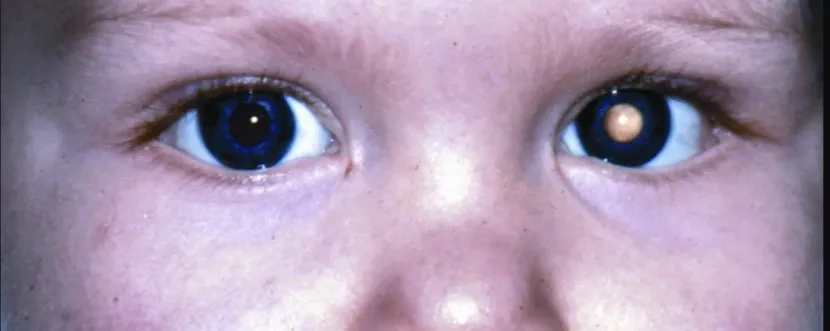

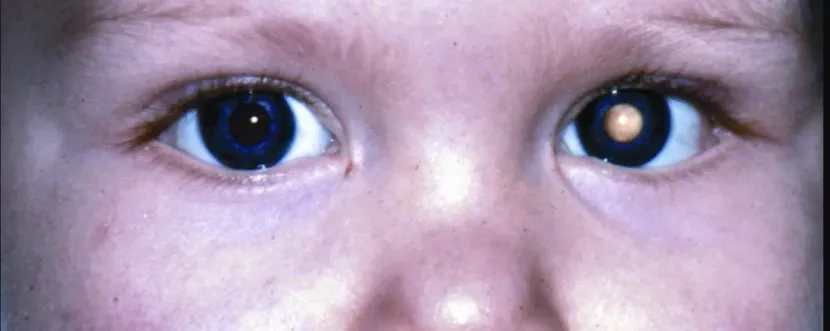
cataract surgery planning and preparation leading to gallery

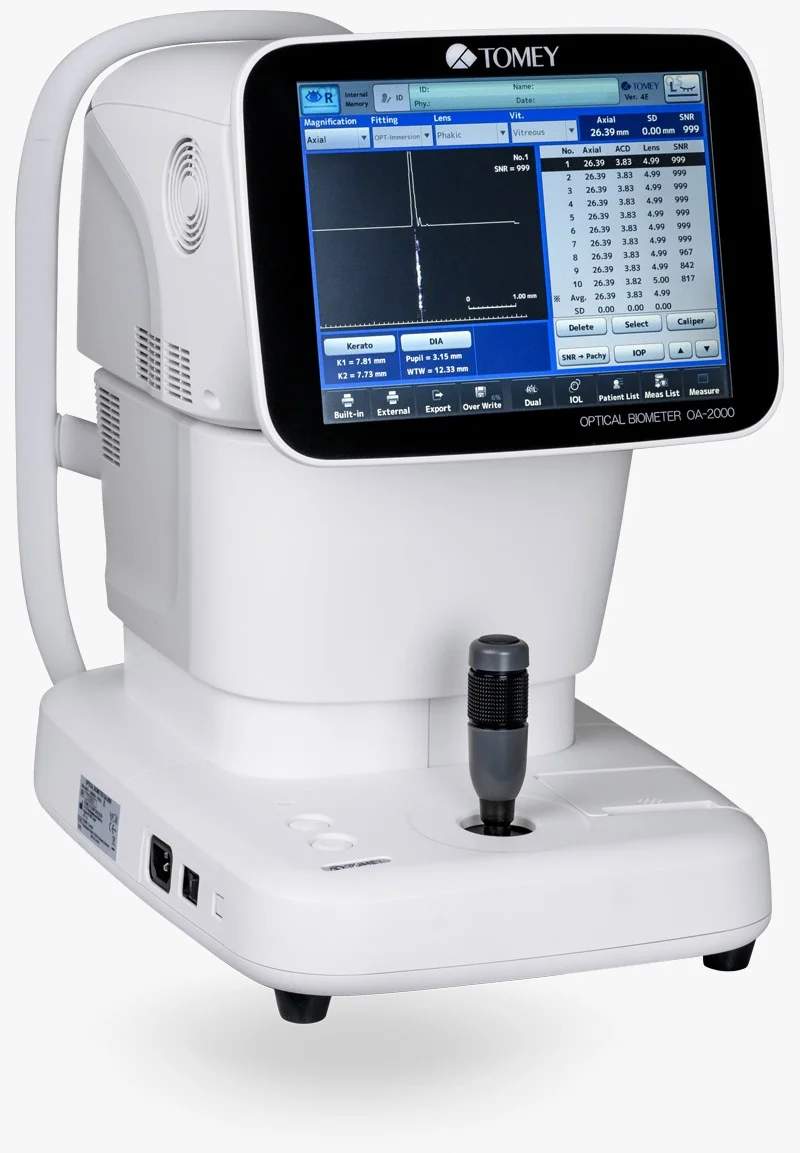
Tomey OA-2000 Optical Biometer
The Tomey OA-2000 is a fast, non-contact, all-in-one optical biometer that combines axial length, keratometry, pachymetry, anterior chamber depth, and corneal topography in one quick scan.
This makes pre-cataract surgery examinations smoother, reduces patient stress, and provides highly accurate data for better Intraocular Lens (IOL) calculations.
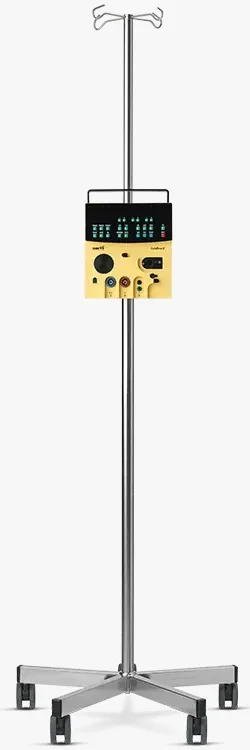
Oertli CataRhex
The Oertli CataRhex is great for patients because its advanced technology, such as the SPEEP pump, allows for safer and gentler cataract removal.
It uses less ultrasound energy, prevents wound burn, and helps speed up recovery, ensuring a smoother surgical experience.
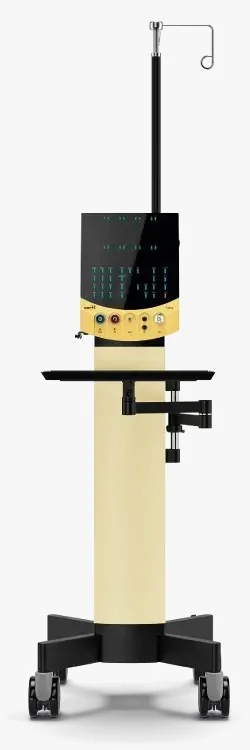
Oertli Faros
The Oertli Faros is considered a top ophthalmic surgical platform due to its compact design, ease of use, and advanced SWISS technology like the SPEEP pump.
It offers surgeons precise control, high efficiency, stable intraocular pressure (IOP) for safer procedures, and excellent illumination, making it ideal for both cataract and vitreo-retinal surgeries.
Your Steps To Better Vision
Get treated and cared by the compassionate and experienced medical team
Get In Touch With Us
- Call us : +91-7078082666
- Mail Us : info@raahinetradham.com
- Chat on WhatsApp : +91-7078082666
Book Doctor Appointment
Get your appointment with the doctor to consult about your eye condition and treatment options available
Get Your Treatment
With proper consultation with the doctor, get your treatment as early as possible to restore your sight
Why Choose Drishti Netralaya
for Cataract (Motiyabind) Surgery?
We combine advanced surgical precision, state-of-the-art technology, and transparent patient care to deliver exceptional vision outcomes for every family.
Experienced Cataract & Retina Surgeon
Your surgery is led by specialists in phacoemulsification and advanced IOL implantation, ensuring precision and safety for every patient.
Latest Technology for Painless, Stitch-less Surgery
We use modern phaco machines, micro-incision techniques, and premium lens options, offering faster recovery and minimal discomfort.
Honest Guidance – No Unnecessary Tests
Patients trust us because we recommend only what is truly needed. Our focus is on transparent counselling, not selling lenses.
Best-in-Class Hygiene & OT Standards
Our operation theatre follows international sterilisation protocols, ensuring a sterile, infection-free environment critical for surgical outcomes.
Accurate Lens Power Calculation
We use digital biometry and corneal measurements to choose the perfect IOL for your eyes, reducing dependence on glasses after surgery.
Affordable Packages for Every Patient
From standard IOLs to premium multifocal and toric lenses, we offer transparent pricing suitable for all budgets without compromising quality.
Trusted by Families Across the Region
Patients rely on us because of our consistent surgical results, compassionate care, and dedicated community outreach programs.
Personalised Care Before, During & After
Every patient receives detailed counselling, post-op instructions, and continuous support—even weeks after the surgery.
Mission-Driven Eye Care Network
Drishti Netralaya works closely with partner foundations to reduce avoidable blindness, ensuring quality cataract care reaches everyone.
Quick Recovery & Same-Day Discharge
Most patients return home within hours and resume daily activities soon after, with clear vision improving day by day.