Low Vision Clinic
Low vision doesn't mean no vision, and it doesn't mean nothing more can be done. The Low Vision Clinic at Drishti Netralaya works with patients whose vision loss can't be fully corrected by glasses, medicine or further surgery — the focus shifts from treating the underlying condition to a different, equally important question: how much of your remaining vision can actually be put to use, and how.
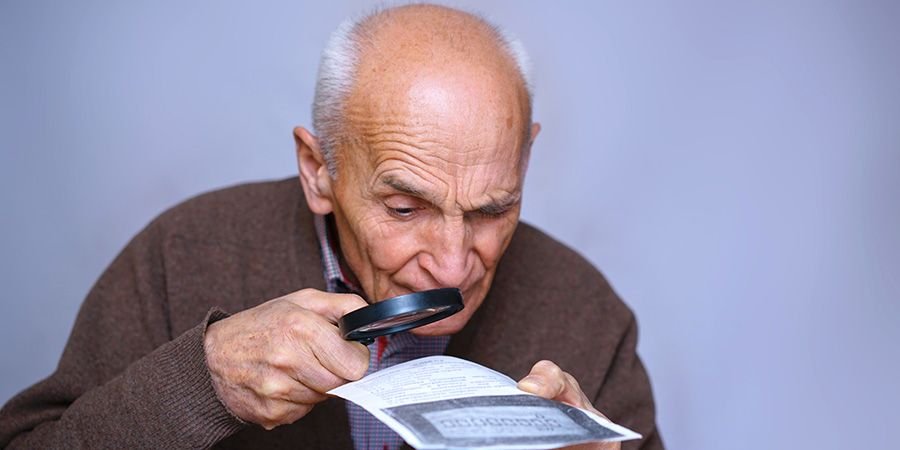
Is This Actually "Low Vision"?
Understanding what's actually true about low vision helps patients take proactive steps toward making the best use of their remaining vision.
| What People Often Assume | What's Actually True |
|---|---|
| "If glasses don't fix it, nothing can." | A low vision clinic works with exactly what glasses can't correct — magnification, lighting adjustments and adaptive techniques often help substantially. |
| "Low vision basically means blind." | Most low vision patients have significant, usable vision — enough to read with help, recognise faces, or move around familiar spaces independently. |
| "There's nothing to do except accept it." | Low vision rehabilitation is an active process with real tools and techniques — not resignation. |
| "This is only for elderly patients." | Low vision affects people of all ages, including children with conditions present from birth. |
What This Actually Looks Like Day to Day
Rather than a list of devices, it's more useful to think in terms of what you're actually trying to do — a low vision clinic works backward from that:
| What You're Trying to Do | How the Low Vision Clinic Can Help |
|---|---|
| Read medicine labels, a newspaper, or a book | Handheld or stand magnifiers, large-print materials, better task lighting. |
| Recognise faces or read signs at a distance | Telescopic lenses for specific situations — a blackboard, a bus number, a street sign. |
| Use a phone or computer comfortably | Screen magnification, contrast settings, voice-assist features. |
| Move around safely indoors and outdoors | Orientation and mobility guidance, lighting and contrast adjustments at home. |
| Keep working or stay in school | Practical, task-specific aids matched to that particular environment. |
Getting Started, Wherever You Are
Low vision services are structured across our network to ensure accessible care close to your home.
Initial Assessments & Centers
Initial assessments can typically begin at the Dhemaji City Center or Machkhowa Vision Center.
Main Hospital Rehabilitation
Fuller, comprehensive rehabilitation support is based out of the main hospital in Dibrugarh. Full addresses and directions are available on our Contact Us page.
Frequently Asked Questions
No — low vision means significant vision loss that can't be fully corrected, but there's still usable vision to work with. Complete blindness is a separate, much smaller category.
Rehabilitation at a low vision clinic doesn't reverse the underlying cause of vision loss, but it makes meaningfully better use of whatever vision remains — which for most patients is a real, practical difference in daily life.
Not strictly, but if your vision loss is new or hasn't been properly evaluated, it's worth having that assessed first — treating what can be treated always comes before low vision rehabilitation, not instead of it.
It varies by what's needed, from simple magnifiers to more specialised devices — this is best discussed directly at your consultation rather than guessed at in advance.
Yes — congenital conditions can cause low vision from an early age, and early support with reading, learning and daily activities can make a meaningful difference through school.
Initial assessments are typically available at both centres, with fuller rehabilitation support based at the main Dibrugarh hospital.
Book Consultation
Quick & Easy Appointment Request