Double Eyelid Surgery in Assam: Procedure, Recovery, Cost and What to Know
Double eyelid surgery creates or defines a fold in the upper eyelid, known as the eyelid crease. It is often called Asian blepharoplasty, because the procedure is commonly discussed among people whose upper eyelids have a low, faint, or absent crease. Some people consider it for aesthetic reasons. Others ask about it because of eyelid asymmetry or how their eyelids sit and move.
Patients in Assam increasingly ask where they can get a proper assessment close to home. In Dibrugarh, an oculoplastic evaluation is the starting point. The eyelid is examined first, and only then is any technique discussed. Whether surgery is suitable, and which approach fits, depends entirely on your anatomy. This guide explains the procedure, the consultation, recovery, risks, and cost factors in plain language.
Before & After Clinical Case Examples
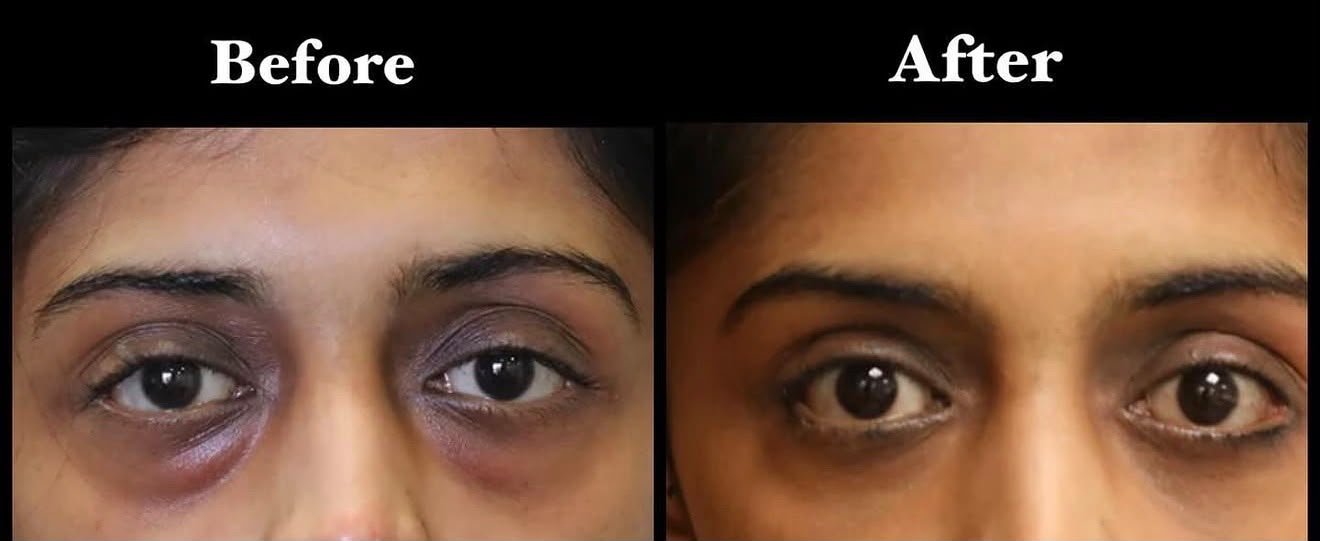
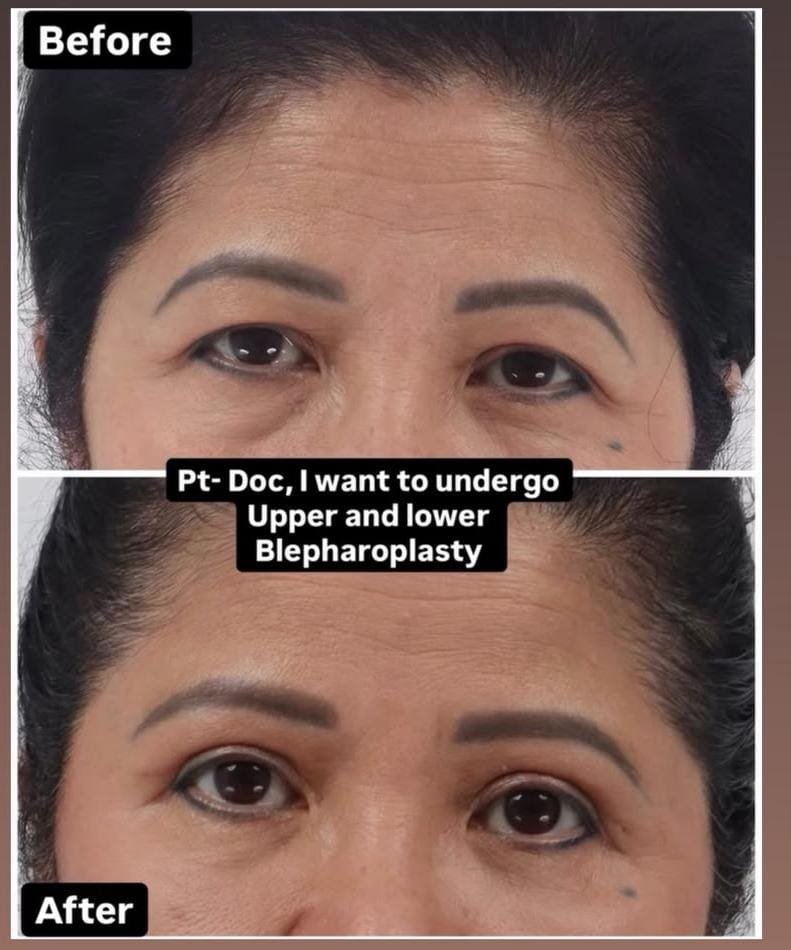

What Is Double Eyelid Surgery?
The upper eyelid crease is the horizontal fold that forms when you open your eyes. It appears because the muscle that lifts the eyelid has fibrous attachments to the overlying skin. When those attachments are low, weak, or absent, the skin glides over the eyelid without forming a distinct fold. This is often called a single eyelid or monolid. It is a normal anatomical variation, common in many East and Northeast Asian populations, and it is not a defect.
Double eyelid surgery aims to create a fold at a chosen height, or to define a faint one, by anchoring the skin to deeper eyelid structures. Depending on the case, the surgeon may also adjust a small amount of tissue.
What It Aims to Change
- The presence, height, and definition of the upper eyelid crease.
- In some cases, how the eyelid skin folds when the eye is open.
What It Does Not Change
- Your vision.
- The basic shape of your eye or facial structure.
- A drooping eyelid (ptosis), which requires separate treatment.
Why Do People Consider Double Eyelid Surgery?
Reasons vary, and none is more valid than another:
Is Double Eyelid Surgery Suitable for Everyone?
No. Suitability is a clinical judgement. An oculoplastic specialist looks at several factors together during assessment:
Double Eyelid Surgery vs Upper Blepharoplasty
The two terms are often used as if they mean the same thing. They do not:
| Procedure | Main Purpose | Surgical Planning |
|---|---|---|
| Double Eyelid Surgery (Asian Blepharoplasty) | Create or define an upper eyelid crease for low, faint, or absent creases and asymmetry. | Centres on crease height, shape, and how it sits with the overall eyelid structure. |
| Upper Blepharoplasty | Remove or reposition excess eyelid skin, fat, or muscle caused by heavy or hanging lids. | Centres on tissue reduction and preserving natural eyelid function and comfort. |
How Is Double Eyelid Surgery Performed?
In general, two main technical families are evaluated during surgical planning:
Suture (Non-Incisional) Technique
Fine stitches are placed through the eyelid to anchor a crease without a long incision. Best suited for selected patients with thinner skin and minimal excess tissue.
Incision-Based Technique
A fine incision along the planned line allows direct attachment creation and precise removal/adjustment of skin or fat. Ideal for fuller, thicker eyelids requiring long-term stability.
Recovery Timeline After Double Eyelid Surgery
- First Few Days: Mild tightness, swelling, and temporary bruising. Managed with cold compresses, head elevation, and prescribed eye-care routines.
- First 1–2 Weeks: Swelling subsides significantly, bruises fade, and stitches (if any) are removed. Most patients return to desk work within 7–10 days.
- Following Weeks to Months: Tissues continue to refine. The final natural crease appearance stabilizes over a few months as subtle swelling resolves completely.
Risks & Cost Factors in Assam
All surgeries carry inherent risks. A candid review includes temporary swelling, infection, mild asymmetry, or crease loosening over time. Knowing these factors helps you make an informed choice.
Oculoplastic Care at Drishti Netralaya, Dibrugarh
Oculoplasty (oculofacial plastic surgery) combines ophthalmology with plastic surgery. Because the eyelid protects the eye and maintains moisture, cosmetic enhancements must preserve functional health.
Dr. Isha Agarwalla leads the dedicated Oculoplasty department at Drishti Netralaya. Trained at premier institutions including Sri Sankaradeva Netralaya, Shroff Charity Eye Hospital (Delhi), and the Jules Stein Eye Institute at UCLA (USA), she specializes in cataract, oculoplasty, ocular oncology, and aesthetic facial surgery. She also founded Evolve, the hospital’s dedicated aesthetic and facial cosmetics clinic.
Frequently Asked Questions
It is a specialized procedure that creates or defines an upper eyelid crease based on individual lid anatomy and clinical planning.
Not entirely. Double eyelid surgery (Asian blepharoplasty) focuses on crease creation, while traditional upper blepharoplasty removes sagging skin or fat.
Yes, specialized oculoplastic services at Drishti Netralaya in Dibrugarh offer double eyelid surgery and cosmetic eye procedures.
Costs depend on the surgical technique (suture vs. incisional), complexity, and facility requirements. A personal examination is required for an accurate estimate.
The procedure typically takes about an hour. While intended to be long-lasting, natural aging or technique choice may alter the crease over time.
Yes. Patients across Upper Assam frequently travel to Dibrugarh for specialist consultations at Drishti Netralaya.
Book Consultation
Quick & Easy Appointment Request